Getting Ready for Reception: Helping Your Child Start School with Confidence
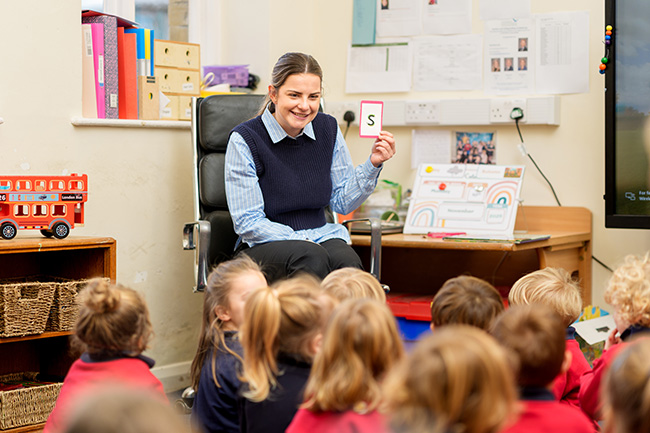
Starting Reception is a big milestone for children and parents alike. It is the beginning of an exciting journey filled with new friendships, discoveries, and opportunities to learn and grow. While every child develops at their own pace, there are many simple and enjoyable ways families can help children feel confident and ready for their first year at school.
What Does “Reception Ready” Mean?
Being “Reception ready” does not mean that a child needs to be able to read, write, or count perfectly before starting school. Teachers understand that every child arrives with different experiences and abilities.
Reception readiness is more about helping children develop the independence, communication, and social skills that will help them settle happily into school life.
Some important skills include:
- Being able to separate from parents or carers confidently
- Taking turns and sharing with others
- Listening to simple instructions
- Using the toilet independently
- Putting on coats and shoes with some support
- Talking about feelings and needs
- Showing curiosity and willingness to try new things
The good news is that many of these skills can be developed naturally through everyday activities at home.
Simple Ways to Prepare Your Child for Reception
Encourage Independence
Reception classrooms encourage children to do many things for themselves. Small daily routines can make a big difference.
You can help by encouraging your child to:
- Put on and take off their coat
- Use the toilet and wash hands independently
- Tidy away toys after playing
- Open and know how to use a drink bottle
- Practise using a knife and fork
Praise their efforts, even if tasks take a little longer at first.
Read Together Every Day
Reading together is one of the best ways to prepare children for school. It builds vocabulary, listening skills, imagination, and a love of stories.
Try to:
- Read bedtime stories daily
- Talk about pictures and characters
- Ask simple questions like “What do you think happens next?”
- Sing nursery rhymes and songs together
Remember, enjoying books is far more important than reading words independently at this stage.
Build Communication Skills
Children benefit greatly from being able to express themselves and listen to others.
Helpful activities include:
- Talking about your day together
- Encouraging conversations during meals
- Playing pretend games
- Singing songs and rhymes
- Teaching children to ask for help when needed
The more opportunities children have to chat and interact, the more confident they often become.
Practise Social Skills Through Play
Play is one of the most powerful ways children learn.
Arrange opportunities for your child to:
- Play with other children
- Share toys
- Take turns in games
- Follow simple rules
- Learn how to manage small disagreements
Board games, role play, and group activities are excellent for developing these important skills.
Develop Fine Motor Skills
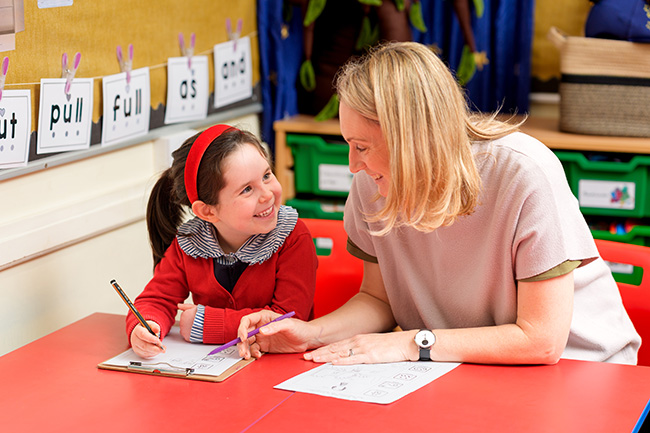
Fine motor skills help children with early writing, drawing, and using classroom tools.
Fun activities include:
- Colouring and drawing
- Using child-safe scissors
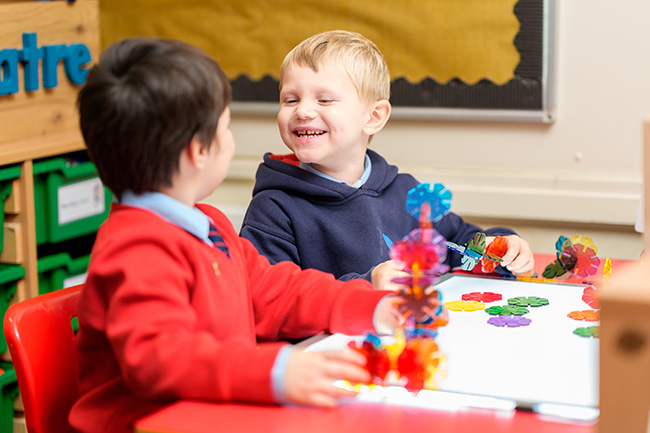
- Building with blocks or LEGO
- Threading beads or pasta
- Playing with playdough
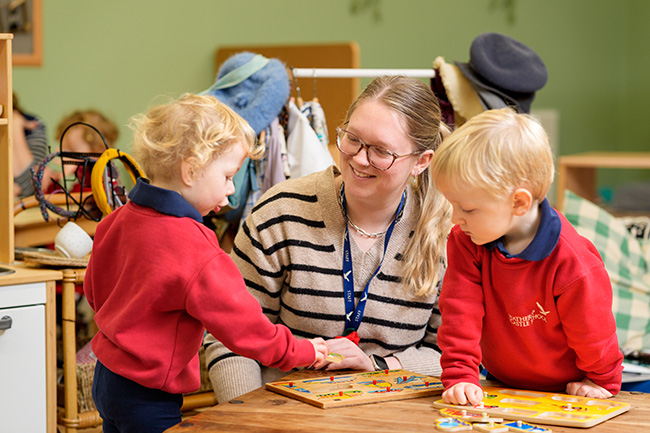
- Completing simple puzzles
These activities strengthen hand muscles while still feeling like play.
Help Your Child Understand Routines
School days follow routines, and becoming familiar with structure can help children feel secure.
In the weeks before school starts, you might:
- Practise morning routines
- Introduce regular bedtimes
- Encourage tidying up after activities
- Talk positively about what school will be like
Remember: Every Child Is Different
It is completely normal for some children to feel excited while others feel nervous about starting school. Some may settle quickly, while others take a little longer.
The most important thing parents can do is offer reassurance, encouragement, and patience. Celebrate small achievements and focus on helping your child feel confident and secure.
Reception teachers are experienced in helping children settle in, and they understand that children learn and develop in different ways and at different speeds.
A Final Thought
Preparing for Reception does not need to involve formal lessons or pressure. The best preparation often comes from everyday moments: talking, reading, playing, exploring, and spending time together.
By encouraging independence, communication, curiosity, and confidence, you are already giving your child a wonderful start to their school journey.